We place data at the center of our work to eliminate assumptions about what rural communities truly need. Below you will find our active field research insights alongside our annual updates and audited compliance records.
Lead Author & Researcher: Smita Choudhary (Co-founder and President)
The foundational field assessments currently driving our work on the ground.
Below are the two primary research assets generated by this unit in 2026, both of which are publicly available for download. These findings directly shape EIF’s program design and inform our work with district and state officials.
RURAL EDUCATIONAL sURVEY · 2026
Rural Learning Assessment
Published by Enlightened India Foundation | Open Access (CC-BY 4.0)
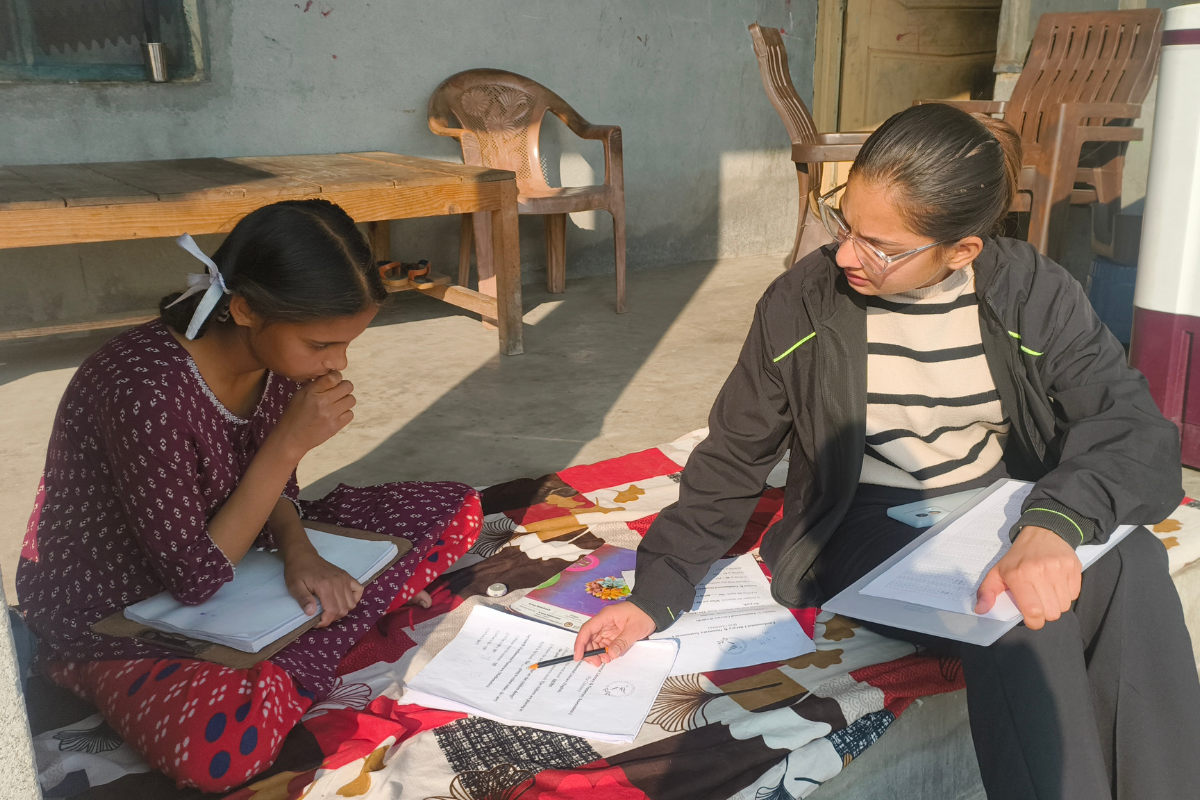
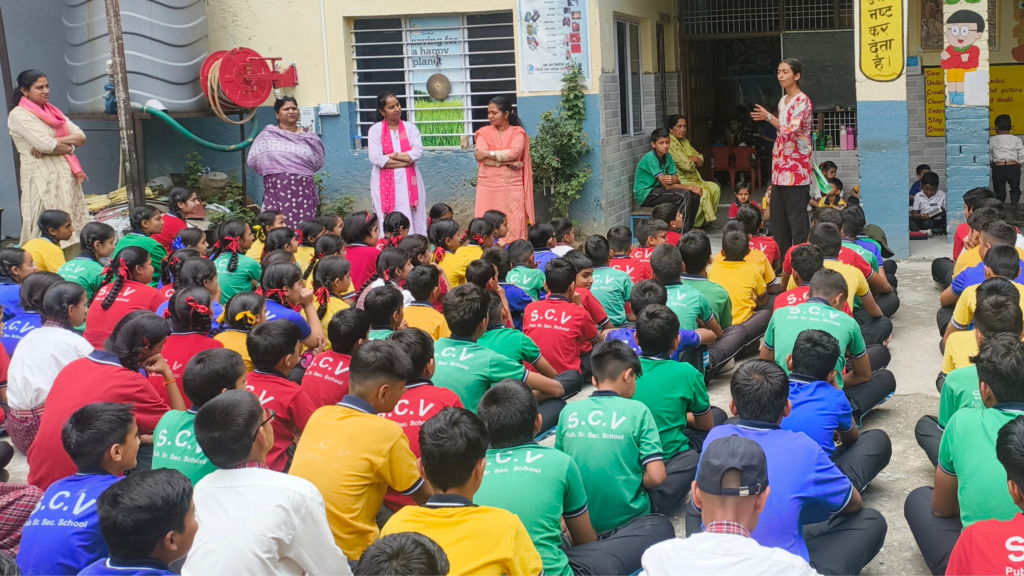
A diagnostic learning assessment mapping foundational skills, enrollment shifts, and academic support structures among 200 children across rural Kangra district.
KEY FINDINGS
65% of the evaluated students face conceptual learning deficits that place them below their enrolled grade levels.
Mathematical competency shows a sharp drop-off, falling to a 16% baseline by Grade 5.
Household enrollment choices are heavily gendered, with 77% of boys sent to private schools compared to just 56% of girls.
A system-wide assessment combining household data and community grievances across 21 panchayats covering 100+ villages to document rural infrastructure gaps and inform local governance reform.
FIELDWORK NEARING COMPLETION
Young Women Education & Aspirations Assessment 2026
1,000+ young women | Villages & educational institutions
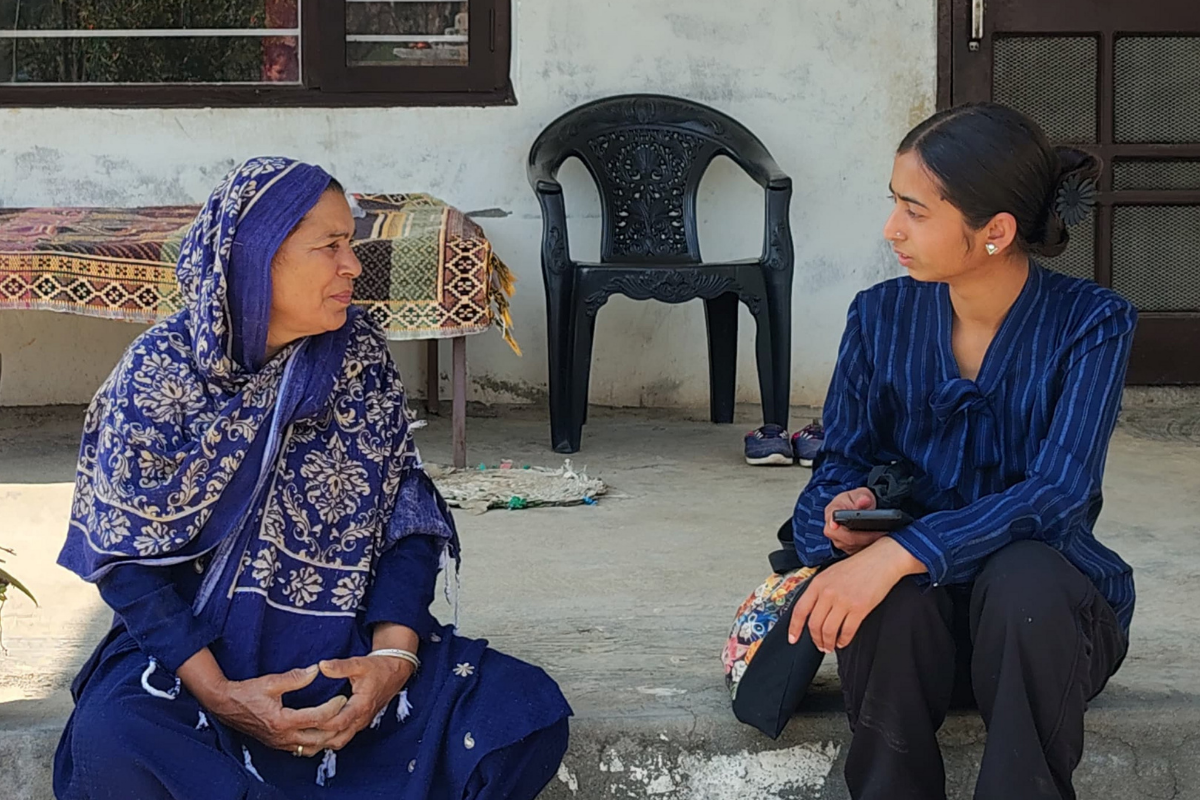
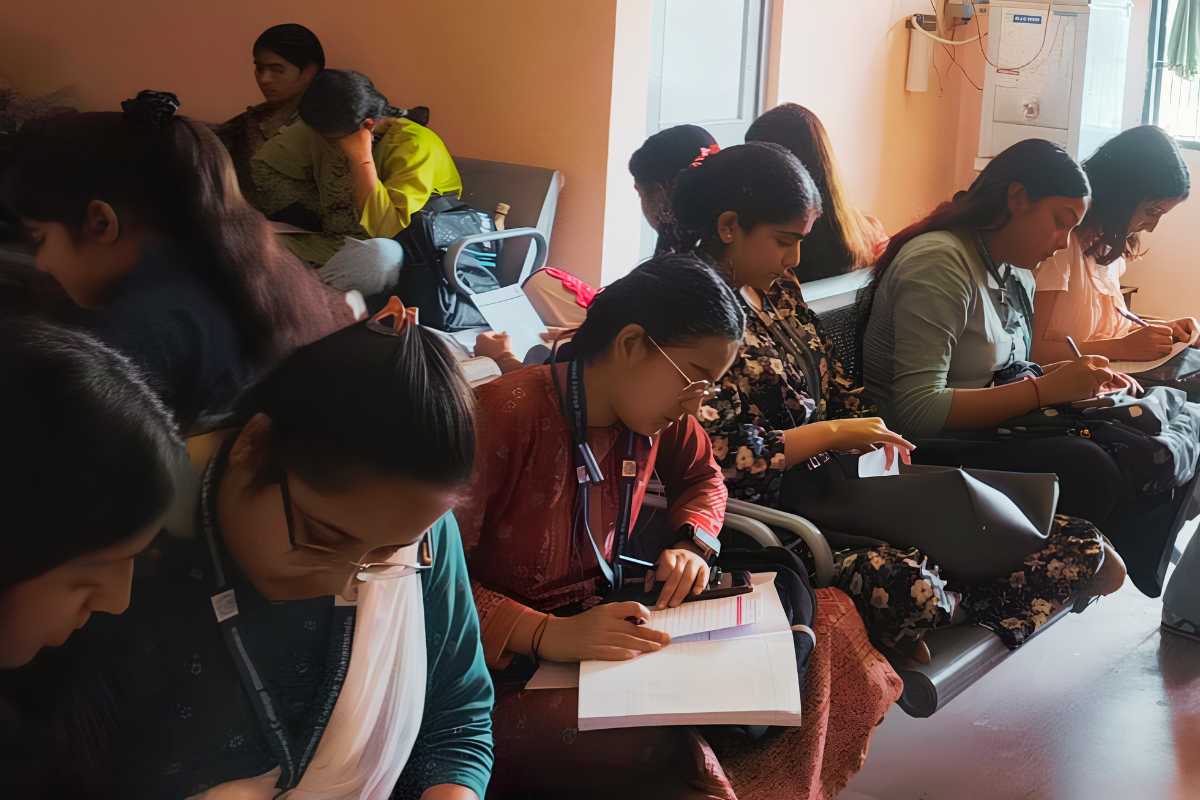
A large-scale study examining the education, aspirations, opportunities and barriers shaping the choices and futures of young women across rural communities and educational institutions.
FROM EVIDENCE TO ACTION
Translating our grassroots research into systemic change and community-tested solutions.
INSTITUTIONAL ADVOCACY
Bridging the Gap: Frontline Realities & Administrative Action
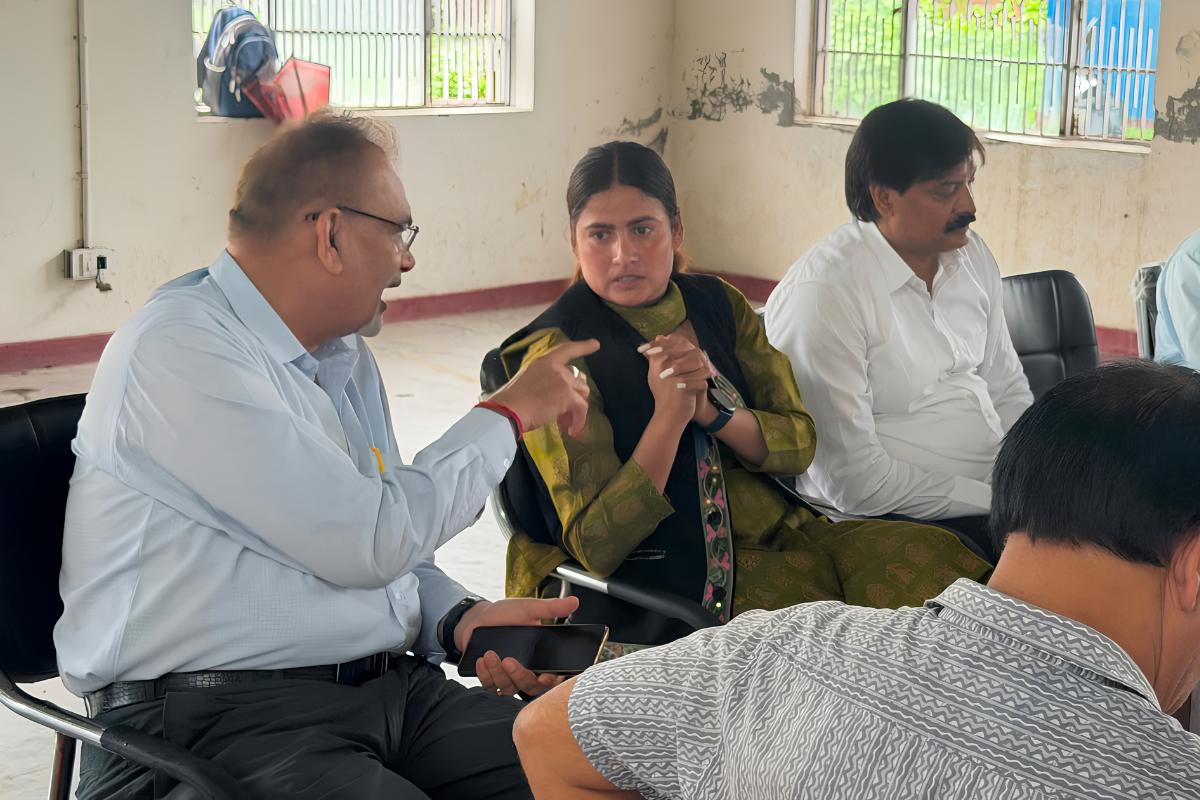
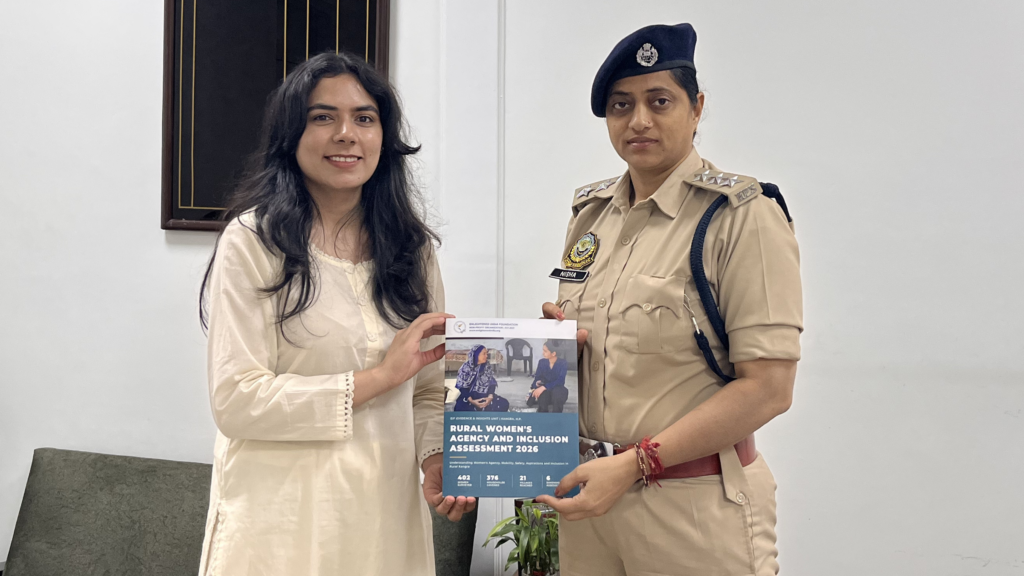
Discover how we take verified community data from the field directly to state and district administrations to align public resources with actual rural realities.
Kangra Survey Flags Gender Gap in Private Schooling, Learning Support
The Tribune reports EIF’s findings on gender disparities in schooling, academic support, learning outcomes and educational opportunities among children across rural Kangra.
What Rural Women In Himachal Pradesh Tell Us About Agency, Aspiration And Change
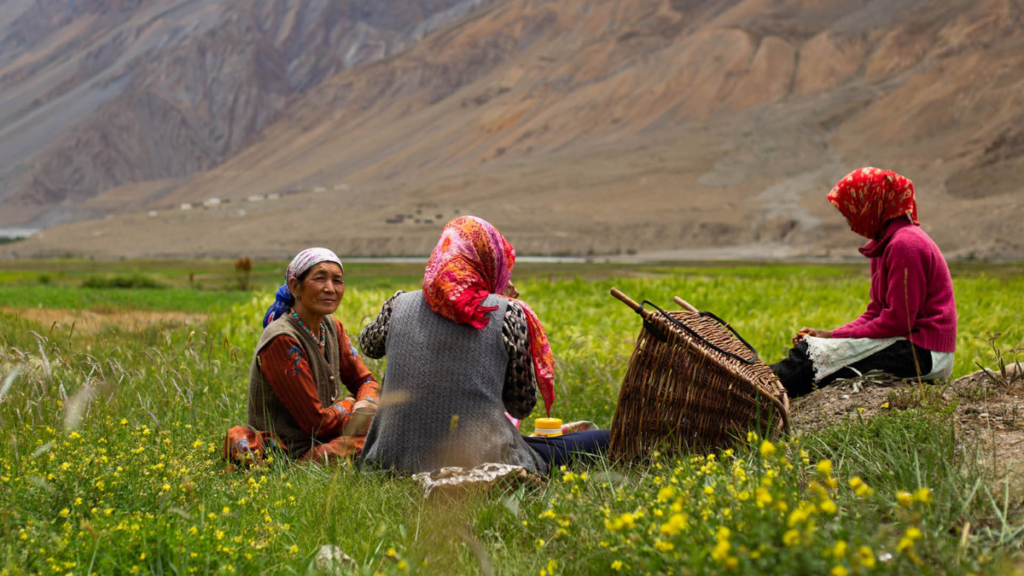
Her Circle explores EIF’s research on women’s decision-making, mobility, digital inclusion and evolving aspirations for girls across rural communities in Kangra.
Our research is the foundation. The programs are the proof.
Every report published by EIF comes directly from field research conducted by our all-women team inside rural communities. The findings shape our curricula, our governance work, and the evidence we take to officials. If this is the kind of grounded, evidence-backed work you want to support, we’d like to hear from you.