
ADAPTIVE SKILLS FRAMEWORK
From Evidence to Learning
The Adaptive Skills Framework turns needs identified through research and fieldwork into practical learning modules. We design, test and refine approaches across areas such as learning, digital capability, life skills and civic awareness before they move into wider programme delivery.
THE FRAMEWORK
Designing responses to gaps identified in the field
Research can tell us where a gap exists. The Adaptive Skills Framework focuses on what can be done about it, translating evidence and field observations into structured learning approaches that can be tested, improved and used in real settings.

Evidence-Led Design
Research findings and field observations help identify where learning, skills or awareness gaps exist and what a new module needs to address.

Field Testing
New approaches are tested in schools, communities or partner settings so that content, pacing and delivery can be reviewed before wider use.

Practical Delivery
Modules are structured around clear activities and learning objectives so that local facilitators and institutional partners can use them in real settings.
HOW WE WORK
From an identified need to a practical response
The framework begins with needs emerging from research, community experience and institutional engagement. We examine what kind of response may be useful, identify the expertise and resources it requires, test approaches where possible and improve them through field experience.

01. Identify
Research and field engagement help identify specific gaps, barriers or capabilities that could benefit from a practical programme response.
02. Develop
We consider what kind of intervention could respond to the need and what knowledge, expertise, partnerships and resources would be required.
03. Test
Where appropriate, approaches are introduced in relevant community or institutional settings to understand how they work under real conditions.
04. Adapt
Experience, participant feedback and observations from delivery help refine the approach and inform what should happen next.
A BROADER FRAMEWORK
Designed around needs, not sectors
Rural challenges rarely fit neatly within a single programme area. The Adaptive Skills Framework is designed to respond to needs wherever they emerge, allowing future interventions to develop around different communities, capabilities and local challenges.

Learning & Capability
Needs may involve foundational learning, digital capability, financial knowledge, vocational skills or other practical capabilities relevant to everyday life.

Agency & Opportunity
Responses may address barriers that affect people’s ability to access opportunities, make informed choices, participate economically or navigate changing circumstances.

Community & Livelihoods
Future applications could respond to locally identified challenges affecting livelihoods, agriculture, household resilience or other aspects of rural community life.

Civic & Institutional Capacity
The framework can also inform responses to gaps in civic knowledge, community participation and the practical capabilities of local institutions.
THE FRAMEWORK IN PRACTICE
Starting small, learning through delivery
EIF’s earliest applications of the framework have largely focused on children and digital capability, reflecting both the needs identified through our fieldwork and the expertise available within our team. These interventions provide practical settings in which approaches can be developed, tested and improved.
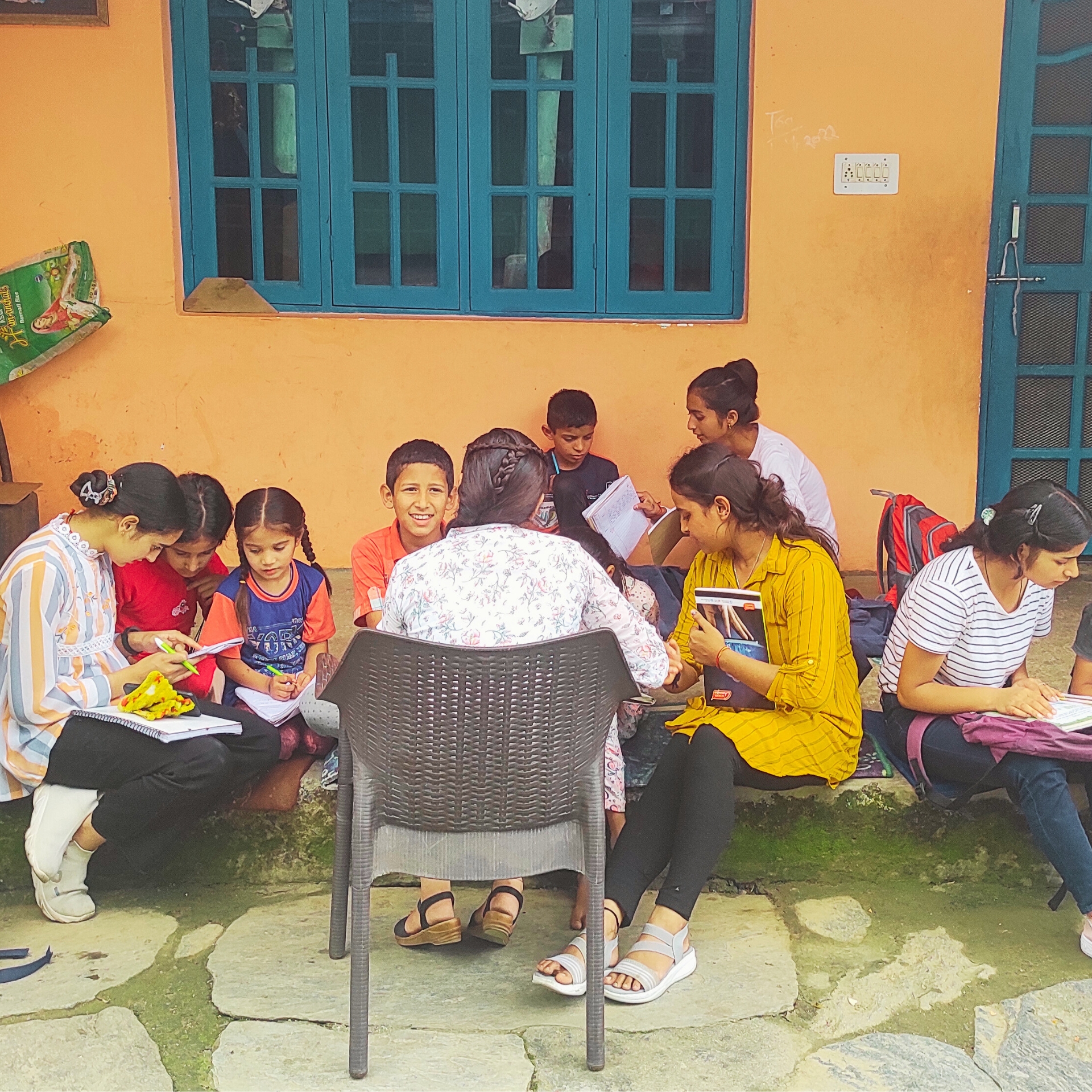
Curriculum Design
Built From Real Gaps
Learning modules designed around evidence addressing needs identified through research and fieldwork.
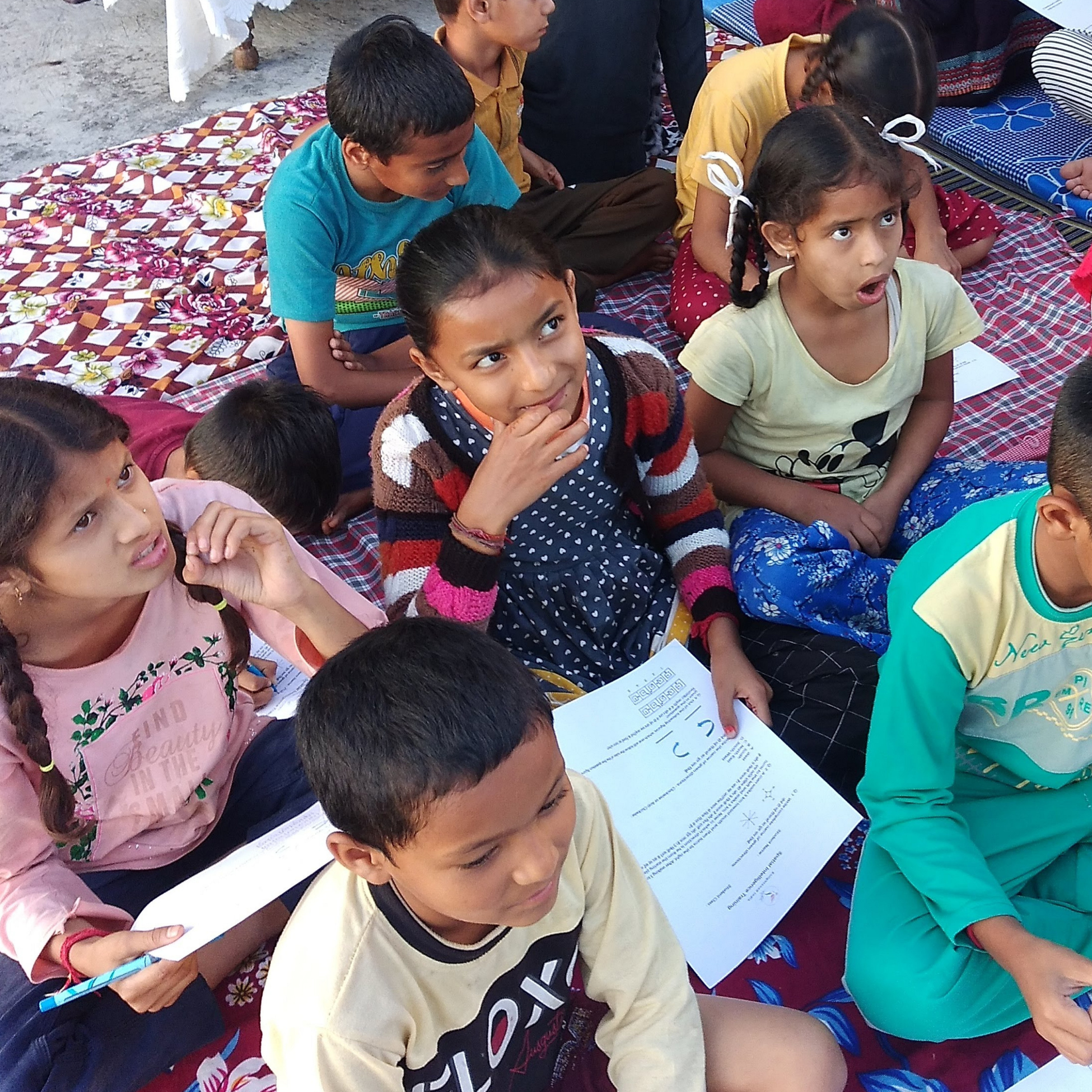
Field Piloting
Test Before Scale
Every module is piloted in real settings — schools, communities, or partner institutions — refined through delivery before wider rollout.
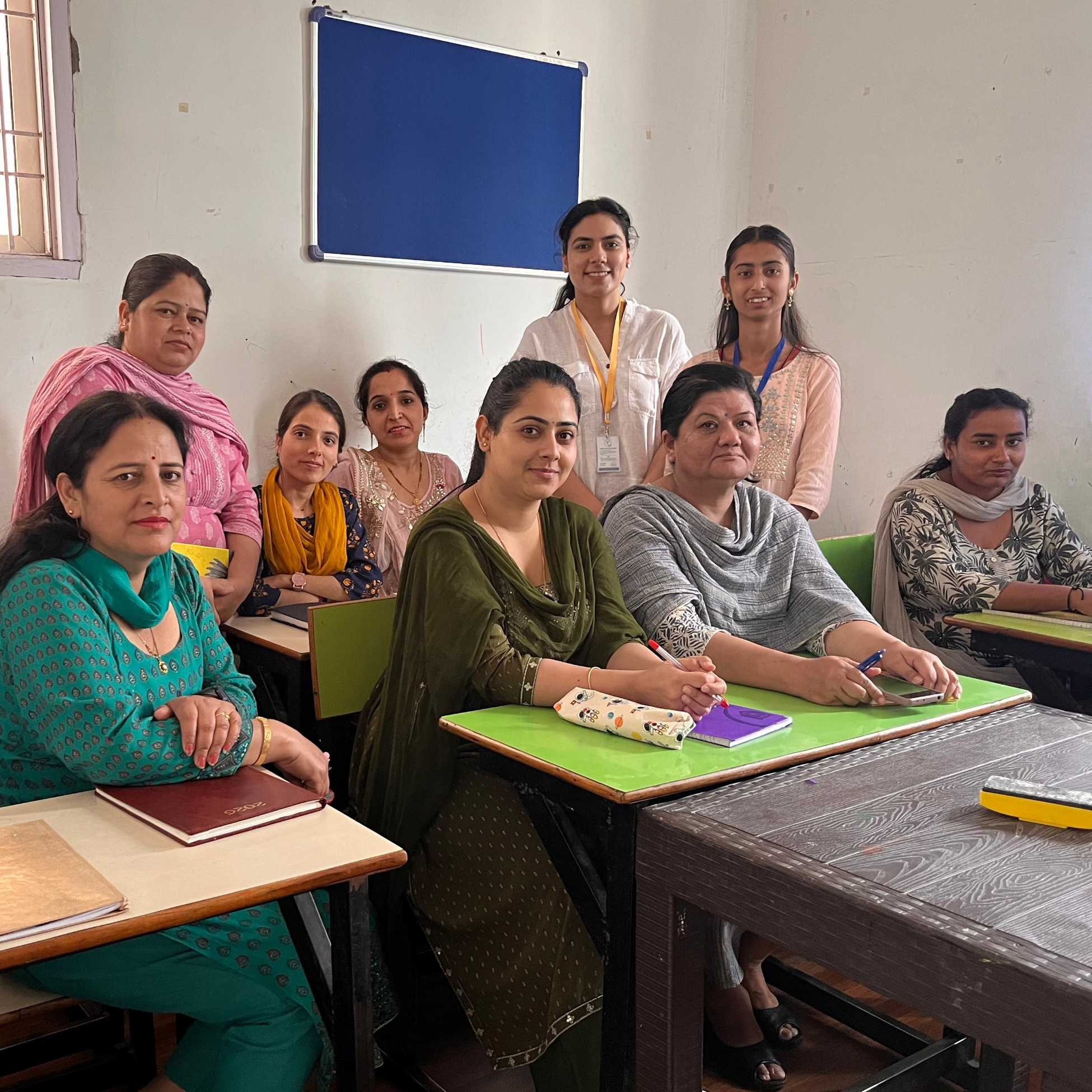
Institutional Collaboration
Shaped With Partners
Schools, NGOs, and government institutions help identify gaps and shape new modules, making design a shared process, not a solo one.
RECENT FIELD IMPACT
Bridging the Digital Safety Gap in Rural Kangra
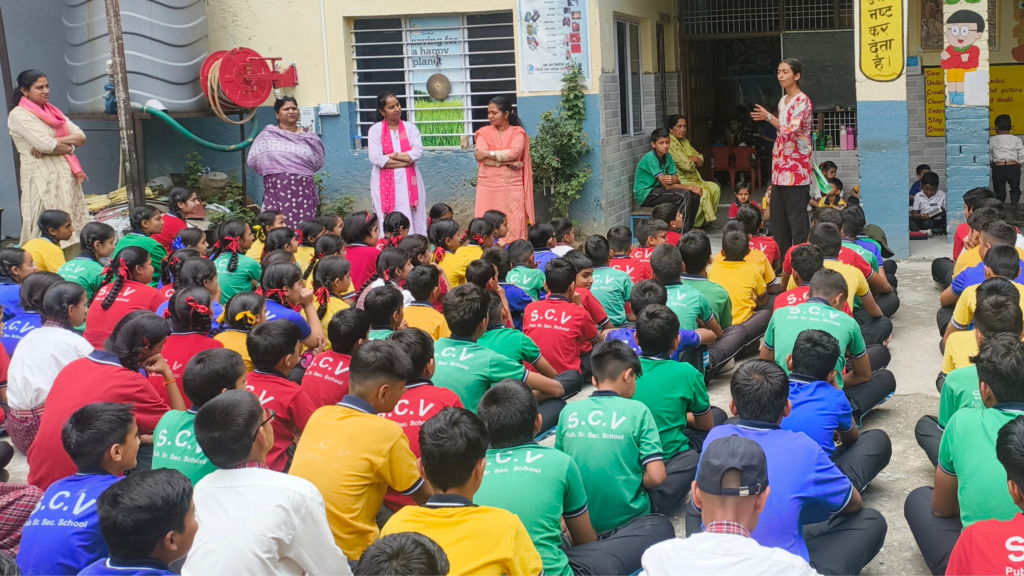
Pilot Impact Report: Digital Safety 2026
What It’s About
Following our recent field assessments, we identified a critical vulnerability: while 89% of rural youth have regular internet access, 46% have never received basic digital safety education.
In response, our team deployed a foundational Digital Safety pilot across 16 schools in District Kangra, directly empowering over 3,100 students and 225 teachers. This on-the-ground initiative has now shaped our transition to a scalable, teacher-led ‘Train-the-Trainer’ curriculum—designed to build resilient, digitally safe communities while respecting core academic time.
FROM DESIGN TO DELIVERY
How This Framework Connects
Our curriculum engine acts as the vital bridge between raw village data and daily community action, linking directly to the rest of our model:
Fueled by Direct Insights: The precise academic, economic, and digital gaps mapped out by the Evidence & Insights Unit serve as the raw instructions for what our curriculum engine builds next.
Feeding Learning Hubs: Once our academic and life-skills curricula are stress-tested and refined, they are delivered directly to our Learning Hubs, where local women leaders put them into practice daily.
Powering Governance Workshops: The Adaptive Skills Framework also designs and implements civic literacy workshops in schools and communities. The specific grievances and cases surfaced during these workshops become the raw, actionable material that feeds directly into our Civic & Governance Lab.
WORK WITH US
Interested in our curriculum work?
If you’d like to know more about our Adaptive Skills Framework, collaborate on curriculum development, or support our programs, we’d love to hear from you.