
OUR PROGRAMS
Five programmes. One connected model.
EIF brings together research, intervention design, community-based learning, governance engagement and advocacy. Each programme has a distinct role, while evidence and experience from one area inform the work of another.
HOW OUR WORK CONNECTS
From evidence to action — and back to evidence.
EIF’s programmes are designed to inform one another. Research helps identify needs and gaps; these insights can shape practical interventions and community-based work. Community experience also generates new evidence, while governance and advocacy help carry documented concerns and findings into institutional conversations.

01. Evidence & Insights
Understanding rural communities through evidence
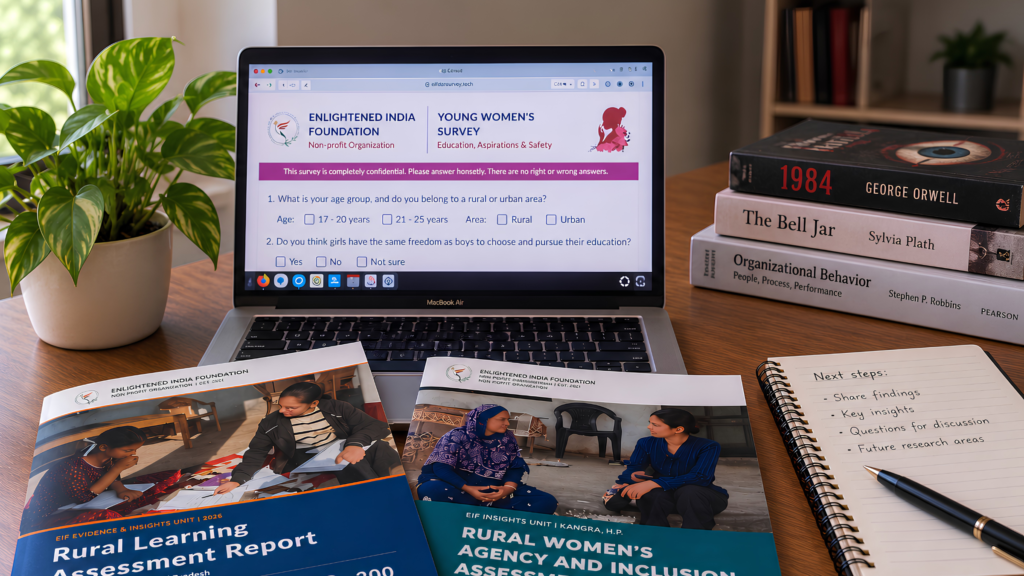
EIF conducts original field research to better understand the experiences, needs and opportunities of rural communities. Our research has examined children’s learning, women’s agency, public services and local governance, with ongoing work exploring young women’s education, aspirations and opportunities.
Findings are documented through research reports and used to inform programme development, governance engagement and wider conversations around rural development.
02. Adaptive Skills Framework
Designing, testing and refining interventions from evidence
EIF’s Adaptive Skills Framework translates needs identified through research and field experience into practical responses. Each response is developed around a specific gap, the context in which it occurs and the knowledge and resources available to address it.
Where appropriate, new approaches are then tested through community or institutional settings such as schools, colleges, NGOs and community groups. This allows EIF to learn from participants, educators, practitioners and other relevant knowledge holders, identify what needs to change and refine the response before deciding whether and how it should be used more widely.


03. Community Learning Hubs
Embedding learning and opportunity within communities
EIF’s Community Learning Hubs create sustained spaces for children and young people to access learning, digital literacy, libraries, recreational activities and opportunities that may otherwise be limited within rural communities.
Led with the involvement of local young women, the hubs also provide a setting where relevant interventions developed and refined through EIF’s wider work can be adapted for continued community use. Their purpose is not simply to deliver individual activities, but to make learning and opportunity more accessible within communities themselves.
04. Civic & Governance Lab
Turning community concerns into structured governance evidence
EIF’s Civic & Governance Lab documents and analyses concerns related to public services and local governance. Starting with rural communities and panchayats, the Lab turns grievances, service gaps and field observations into structured evidence that can be shared with relevant government institutions at panchayat, block and district levels.
It also identifies gaps in how local governance information is collected, documented and shared, and tests practical, technology-enabled approaches to make these processes more accessible and efficient.


05. Advocacy
Taking rural evidence into wider institutional conversations
EIF’s advocacy work brings research findings, community evidence and lessons from programme implementation into conversations with government departments, education authorities and other institutions. These engagements help communicate documented rural experiences to people and institutions positioned to respond.
They also generate new questions, priorities and suggestions from officials and other stakeholders. These insights can inform future research and programme development, connecting Advocacy back to Evidence & Insights and beginning the cycle again.
THE MODEL IN PRACTICE
From field evidence to community delivery.
EIF’s Digital Safety initiative shows how different parts of our programme model can contribute to the same body of work. What began with needs identified through field research developed through intervention design, institutional collaboration, testing, community delivery and wider sharing of evidence.
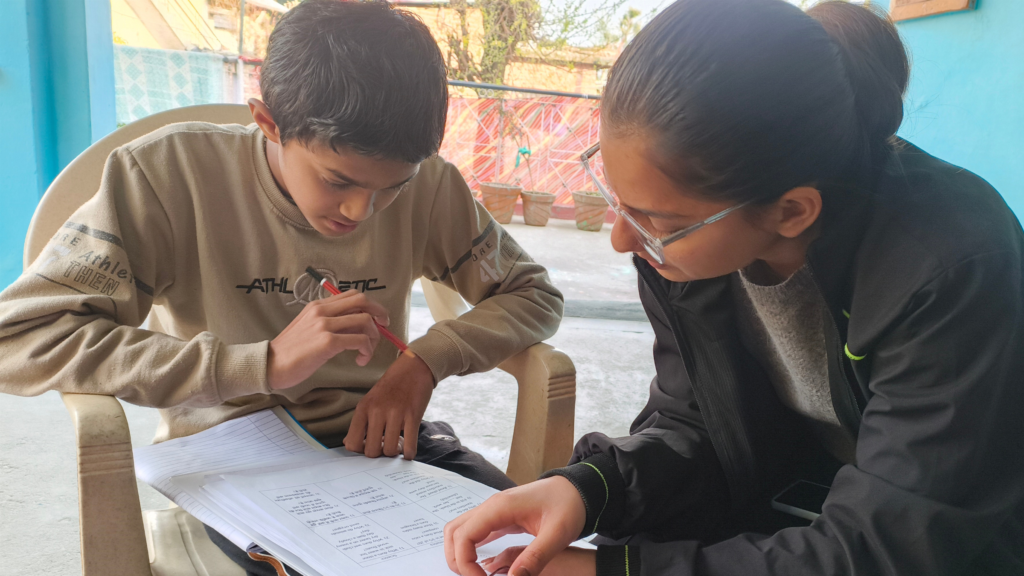
01. IDENTIFY
From field evidence to community delivery.
Field research with children identified gaps in digital safety knowledge and practices, providing the evidence needed to develop a structured learning intervention.
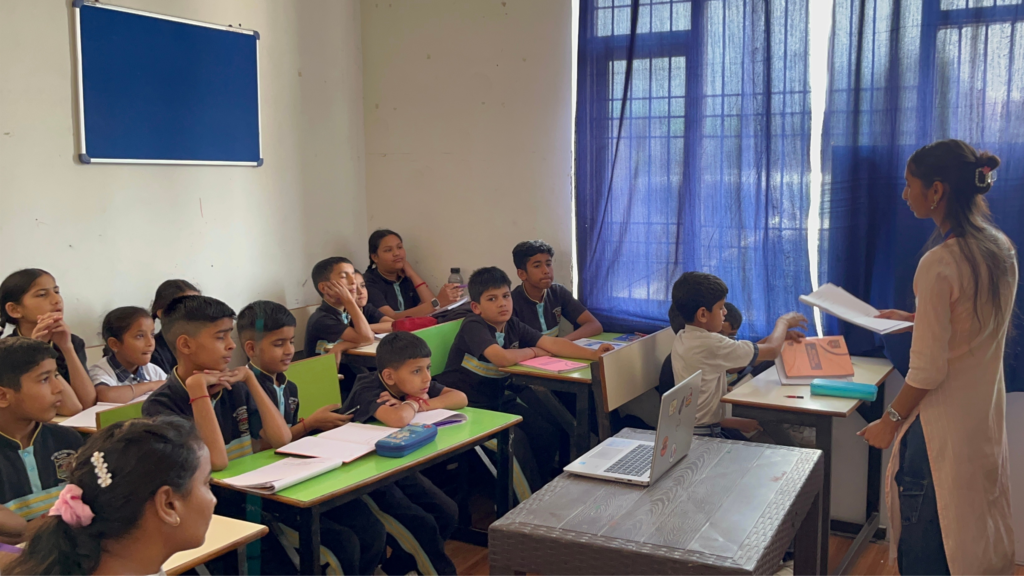
02. DESIGN & TEST
Build and improve the response.
EIF developed and tested a Digital Safety curriculum across schools, using experience and feedback from these sessions to improve and refine the intervention.
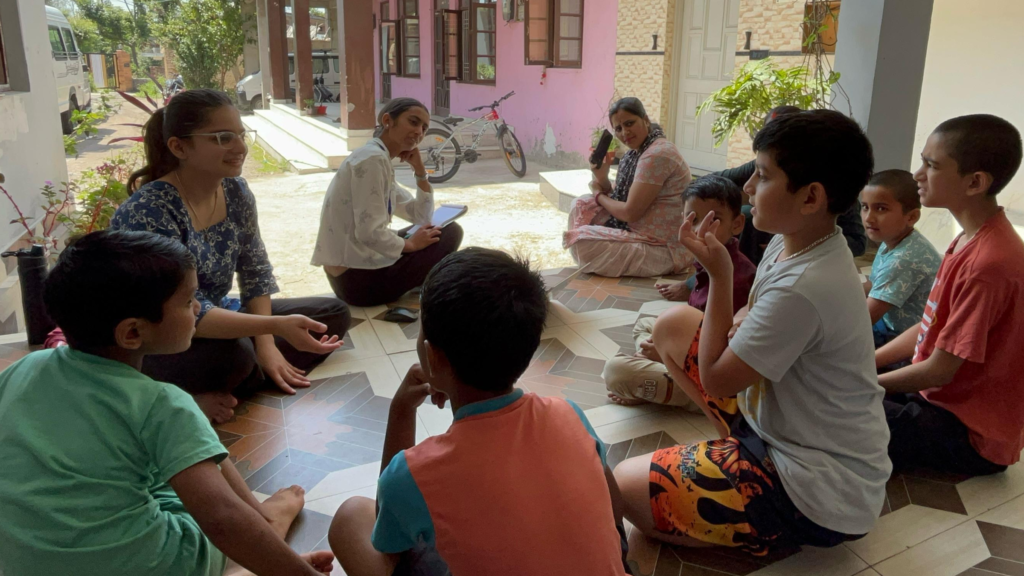
03. EMBED
Bring it into communities
The refined Digital Safety intervention was delivered through Community Learning Hubs, bringing structured digital safety learning into sustained, community-based settings.
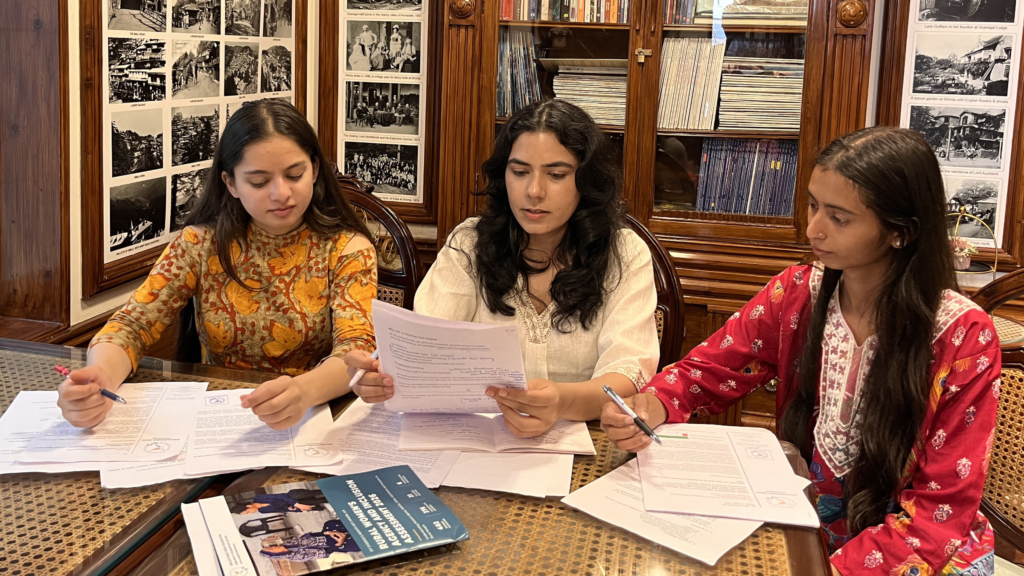
04. DOCUMENT
Turn experience into evidence
Learning from implementation was documented and brought together, capturing how the intervention was delivered and the insights that emerged across different settings.
05. SHARE & LEARN
Take the evidence outward
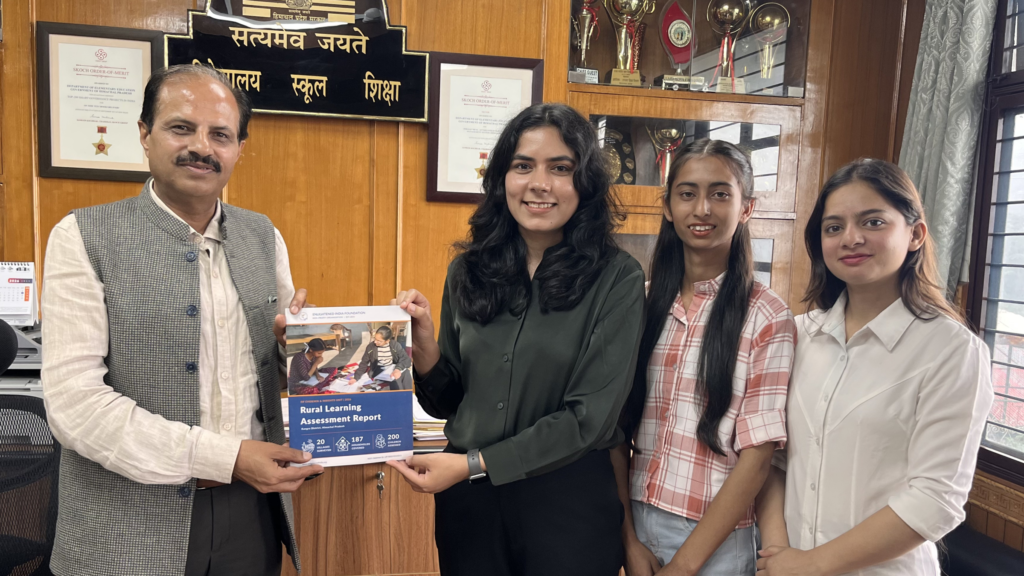
EIF shared the resulting evidence and programme experience with state-level education authorities and other stakeholders, bringing field learning into wider institutional conversations.
↻ BACK TO EVIDENCE
New questions begin the next cycle
Feedback, questions and priorities emerging through institutional engagement help identify new areas for enquiry, informing future research and programme development at EIF.

WOMEN LEADERSHIP
Rural young women across every stage of the work.
Young women contribute across EIF’s programmes by conducting field research, collecting and analysing data, coordinating programmes, managing community learning activities and participating in institutional engagement.
Their involvement extends beyond programme delivery. By working across research, implementation and coordination, young women build practical experience while bringing local knowledge and community perspectives into how the work is carried out.
WORK WITH US
Interested in our research?
If you’d like to access our full research portfolio, collaborate on field studies, or support our Evidence & Insights work, we’d love to hear from you.