EIF works with rural communities to document everyday public service concerns, strengthen understanding of civic processes, and support people in navigating appropriate institutional channels.
By tracking recurring issues and responses over time, we aim to build evidence that can inform community action, research and wider engagement on local governance.
WHY THE LAB EXISTS
Local problems often become invisible between communities and institutions.
Rural communities regularly face issues related to public services, infrastructure and local administration, but identifying the right authority, documenting concerns and following up can be difficult.
EIF’s Civic & Governance Lab works to make these concerns more visible by documenting them systematically, helping communities understand available channels, and identifying recurring patterns that can inform wider governance research and engagement.
COMMUNITY
CONCERN
INSTITUTIONAL CHANNEL
RESPONSE/FOLLOW-UP
HOW THE LAB WORKS
From community concerns to documented action.
EIF helps communities identify and document local civic concerns, connect them with appropriate institutional channels, and follow up where possible. We also track recurring issues to understand wider patterns in public service delivery and local governance.
01. Listen
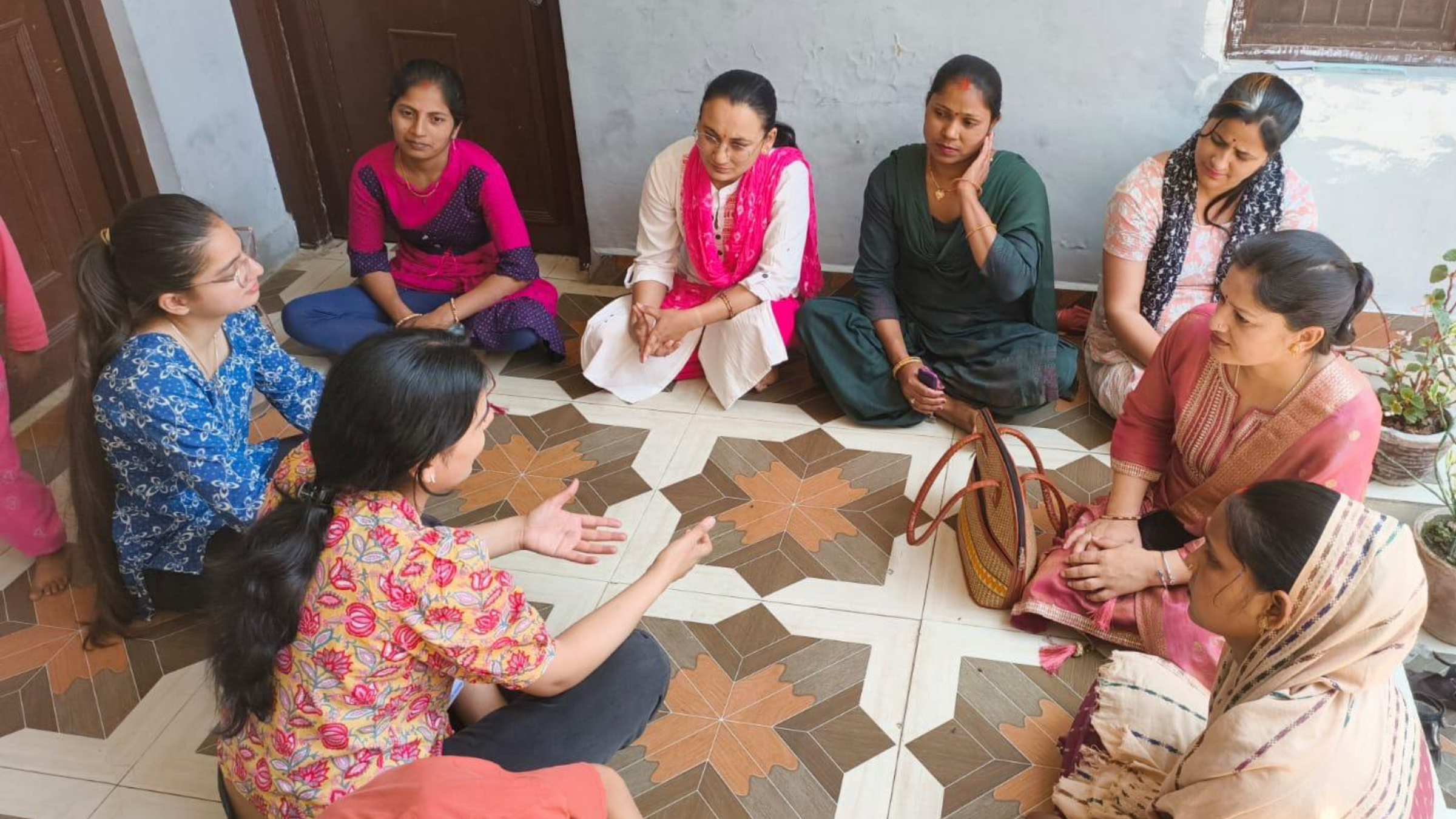
We engage with communities through surveys, conversations and field visits to understand the issues people are experiencing.
02. Document
Concerns are recorded and categorised so that individual cases and recurring patterns can be tracked systematically.
03. Connect
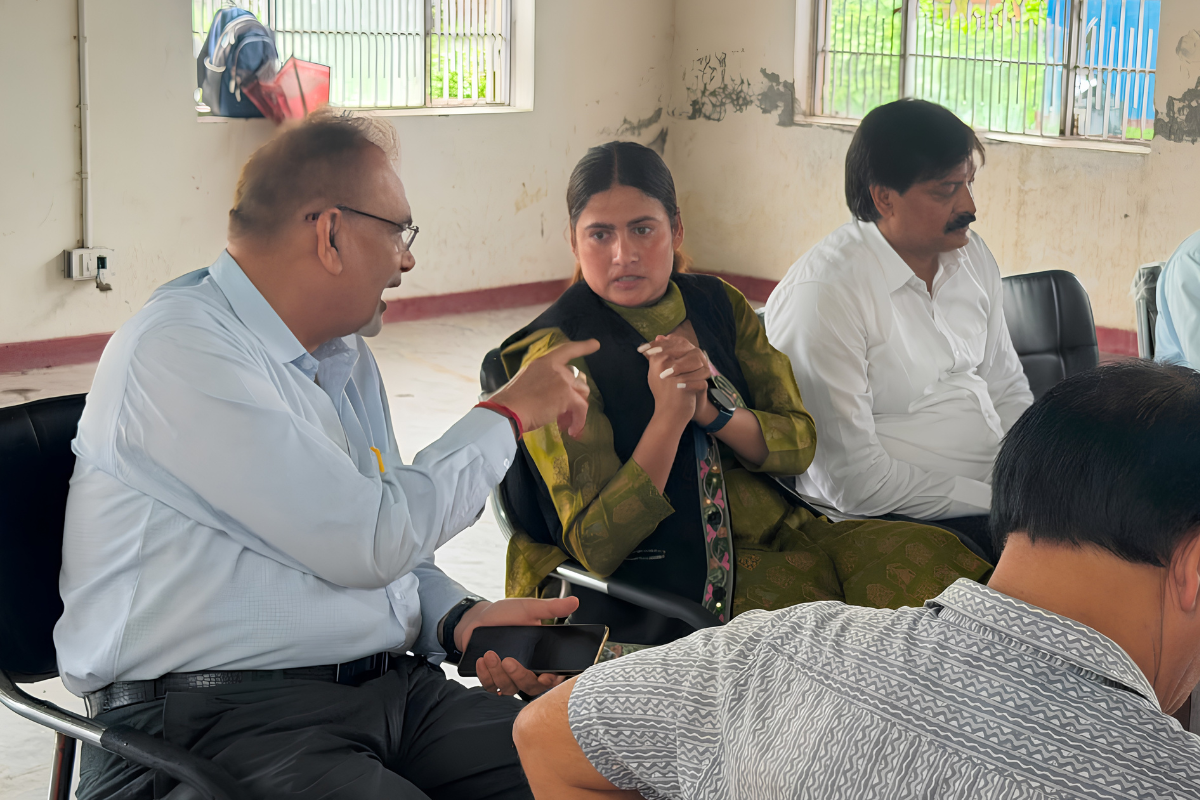
Where appropriate, we help communities identify relevant authorities or formal channels through which concerns can be raised.
04. Track
We follow responses where possible and use the resulting information to strengthen our understanding of local governance challenges.
CIVIC PARTICIPATION
Understanding how local governance works.
Alongside documenting civic concerns, EIF works to strengthen community understanding of local institutions, public responsibilities and the channels available for participation.
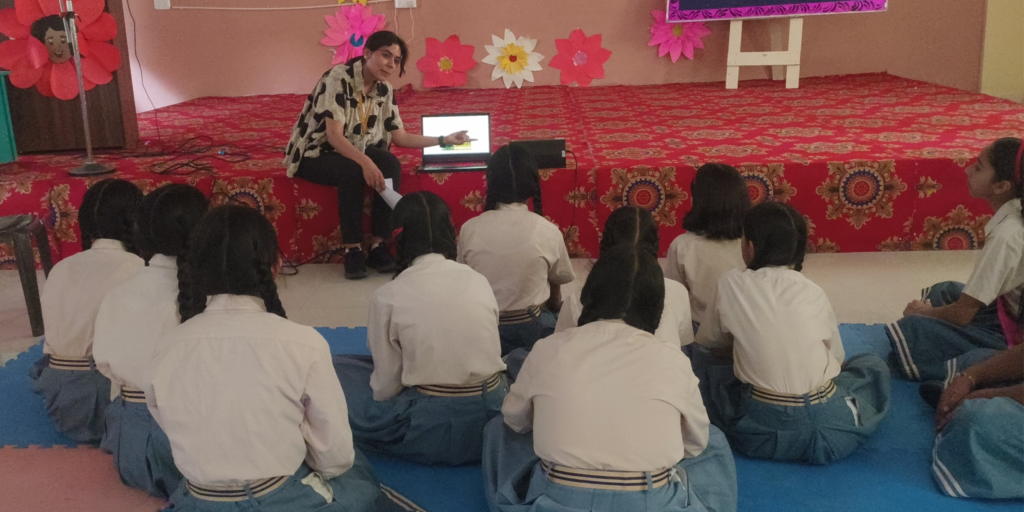
Through discussions, workshops and field engagement, we help young people and community members better understand how local governance functions, where responsibilities sit, and how concerns can be raised through appropriate processes.
COMMUNITY ACCOUNTABILITY DASHBOARD
Tracking the concerns communities raise.
EIF records civic concerns in a structured way so that individual cases can be followed and broader patterns can be understood over time.
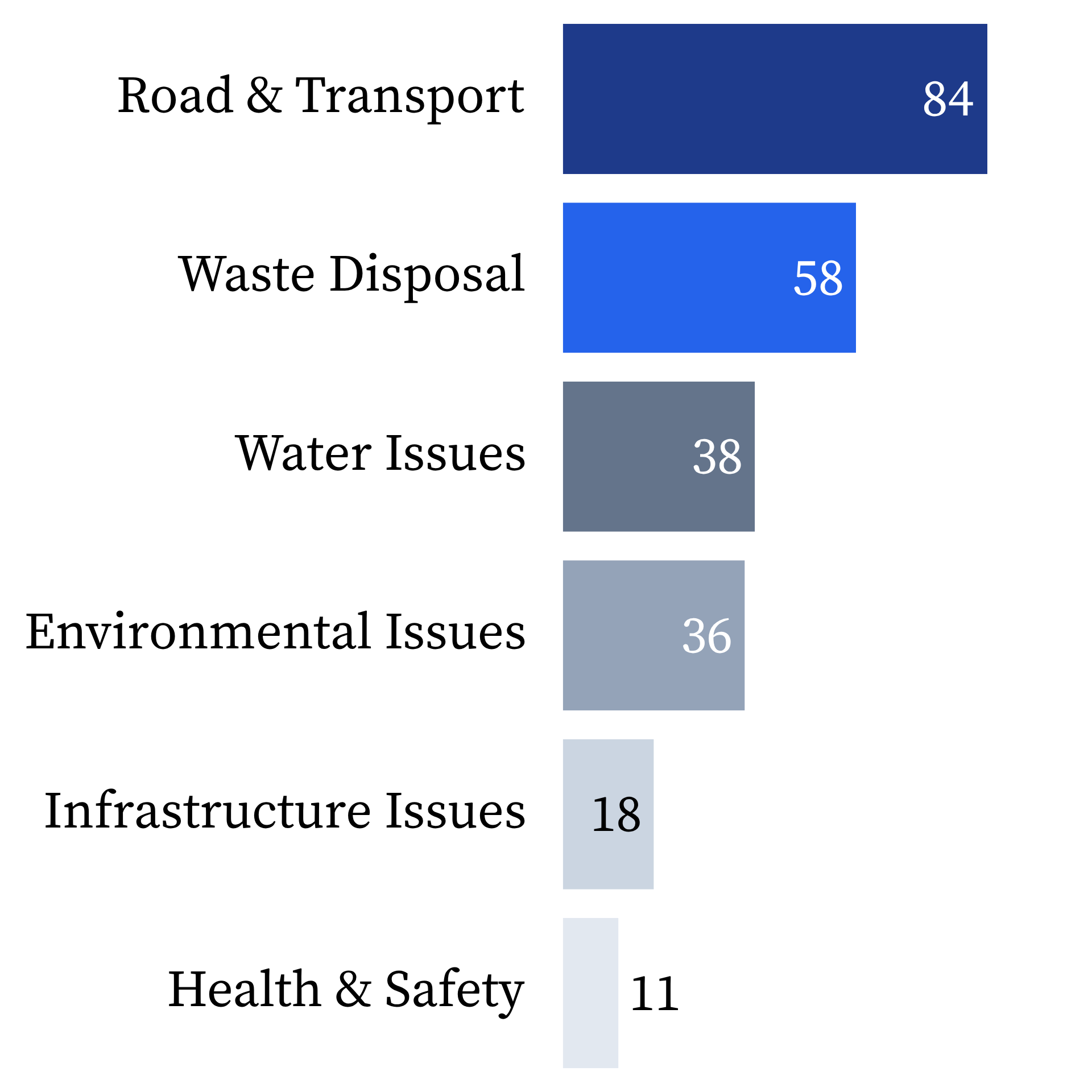
The dashboard brings together information on the types of issues reported, where they arise, who is participating, which institutions are involved, and what happens after a concern is raised.
200+
Concerns documented
21
Panchayats covered
600+
Participants engaged
6
Issue categories
WHAT THE DATA TELLS US
Identifying patterns across communities.
Looking across the concerns communities raise helps EIF move beyond individual cases and identify recurring issues, geographic patterns and common service delivery challenges.
When similar concerns appear across different Panchayats, they can point to problems that may be more widespread than a single complaint suggests. These patterns help us understand where gaps are concentrated, which issues recur most often, and how communities experience local public systems. They can then inform deeper research, governance reports and engagement with institutions.
CURRENT RESEARCH
Building a ground-level picture of local governance.
EIF’s forthcoming governance report draws on several connected streams of field evidence across 21 Panchayats in Kangra.
The research began with a water and sanitation survey covering 387 households and 402 women across 21 villages. This was followed by documentation of a wider range of civic concerns from 250+ additional participants across multiple villages, including issues related to public services and local infrastructure.
EIF is now verifying reported concerns on the ground, documenting additional issues from the relevant Panchayats, and examining recurring patterns across locations. Together, the study covers 21 Panchayats representing more than 100 villages, providing a broader basis for understanding local service delivery, community concerns and accountability.
Interested in local governance and civic participation?
We welcome conversations with researchers, civil society organisations, public institutions and funders interested in community evidence, local accountability and civic participation.