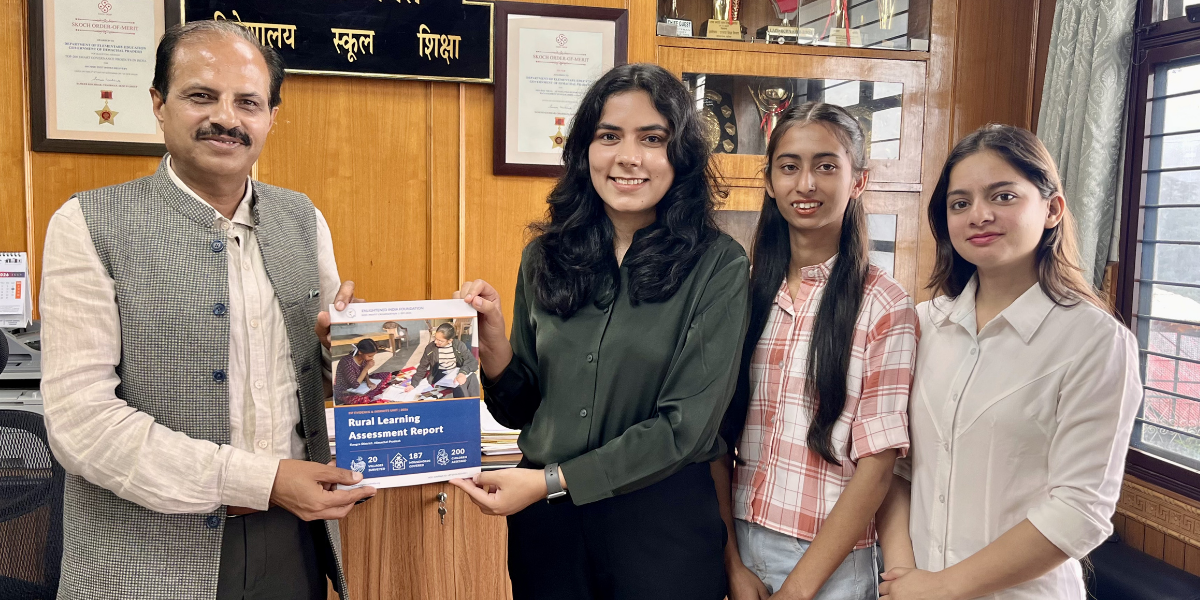
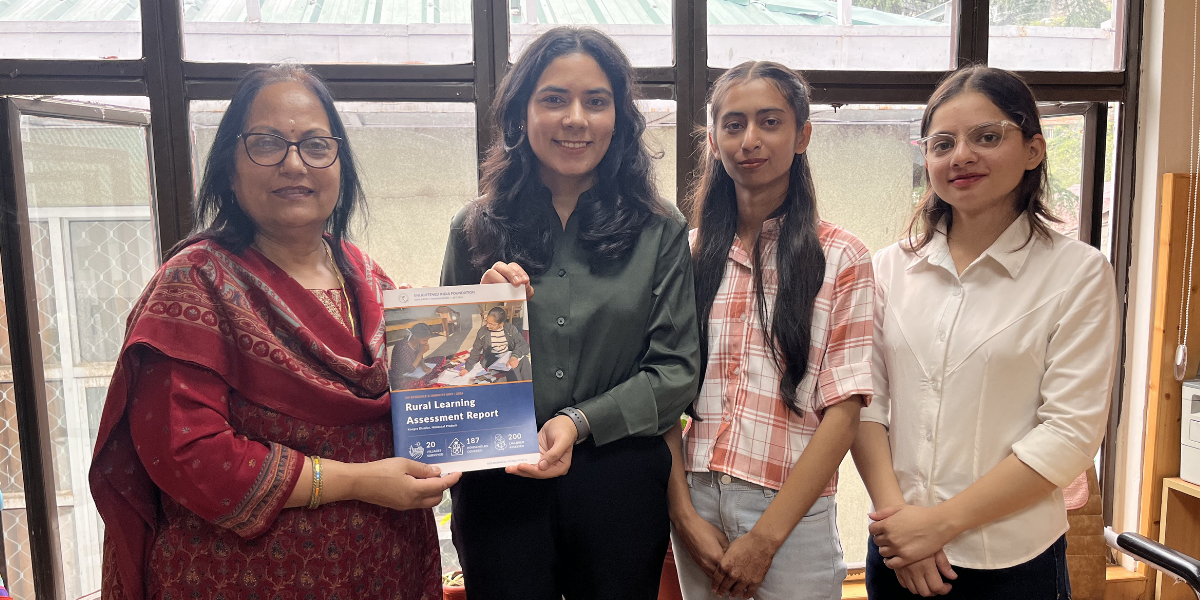
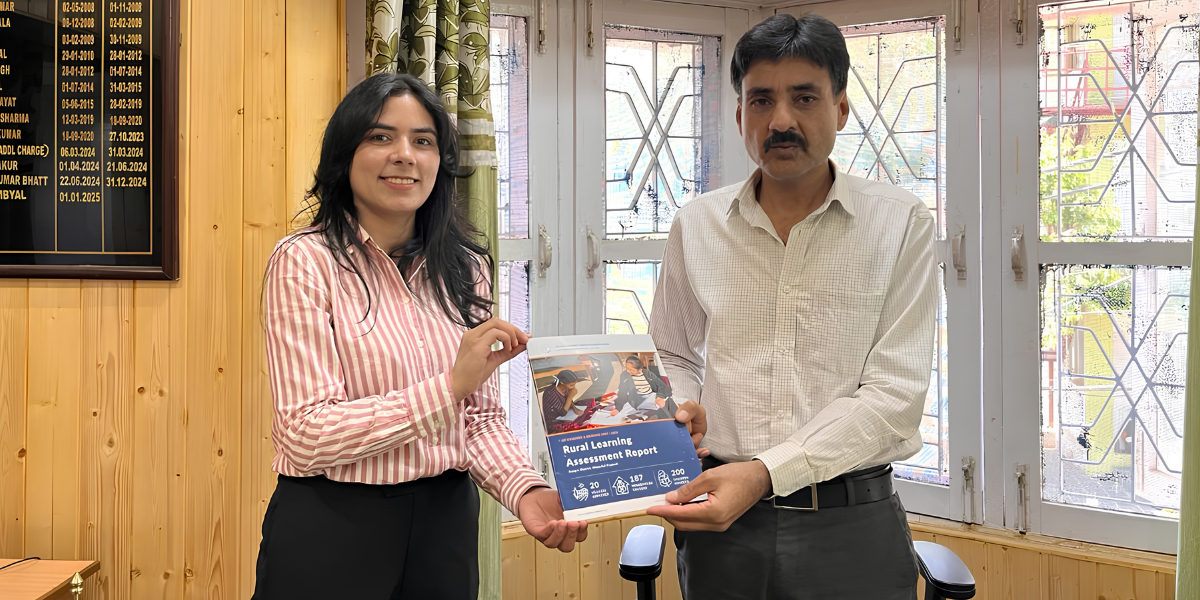
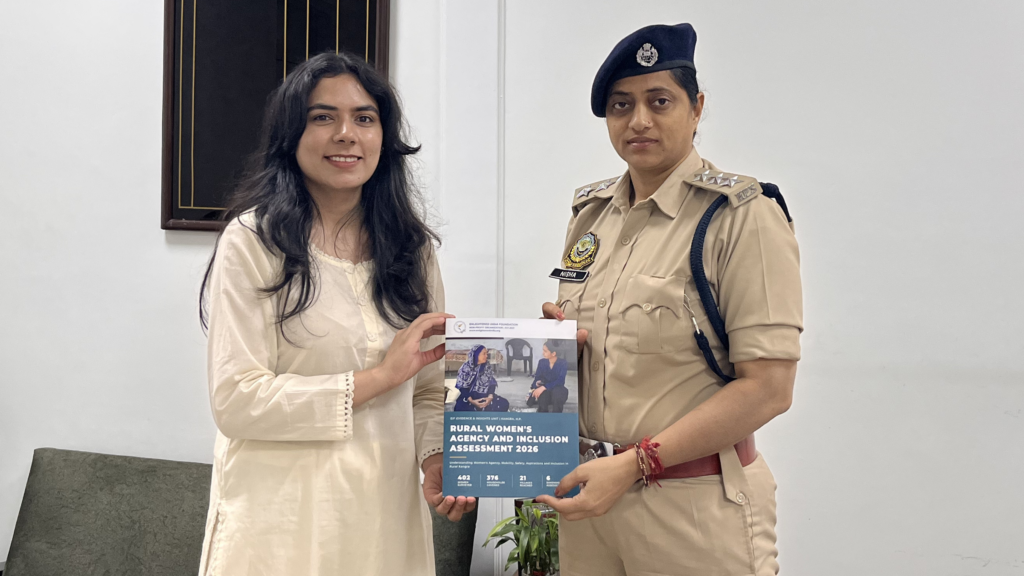
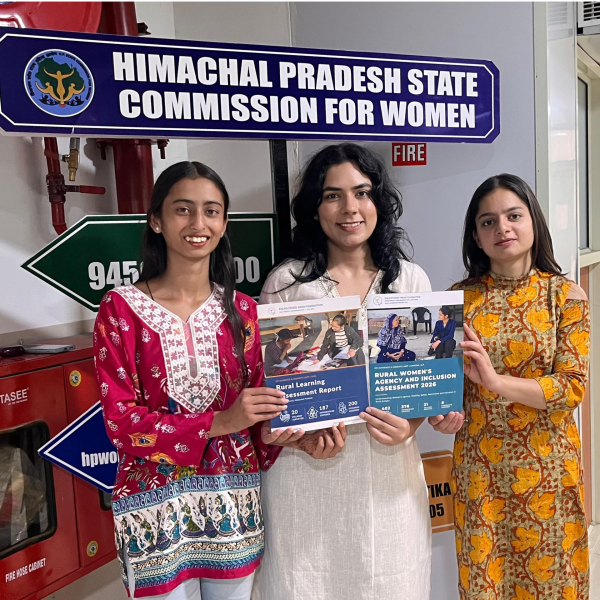
Advocacy at EIF is not based on assumptions; it is built entirely on empirical evidence. We take the raw, verified data from our Evidence & Insights Unit and the frontline realities surfaced by our Learning Hubs directly to local and state administrations. Our goal is to bridge the gap between high-level policy design and actual rural realities.
EVIDENCE
Data, Not Just Dialogue
We do not just present problems to decision-makers; we present comprehensive, localized data alongside community-tested solutions. By gathering active feedback from grassroots practitioners—like teachers and rural women leaders—we ensure every conversation is grounded in well-rounded facts. Our process focuses on:
Highlighting Invisible Gaps: Bringing hidden structural issues—such as foundational learning drops or digital literacy gaps—to the immediate attention of policymakers.
Presenting Tested Solutions: Leveraging our Adaptive Skills Framework to propose practical interventions tailored to rural realities.
Elevating Frontline Realities: Using aggregated data and household-level grievances to show exactly how existing policies are functioning on the ground.
BUILDING PARTNERSHIPS
Bridging the Bureaucratic Divide
We believe that informed policies begin with listening to grassroots voices. Our approach is to serve as a supportive link between rural communities and state leaders. By channeling realities from the ground to the state administration, we hope to do our small part in a much larger system by providing clear local evidence that supports the shared goal of effective public welfare.
Policy Dialogue: Women & Child Development
Educational Reform Strategy
Consulting with Directorate Leadership
Strengthening Gender Equity in Education
Directing Digital Safety Initiatives
LATEST ADVOCACY BRIEF
Formal Records of Our Institutional Advocacy Efforts
Bridging the Gap: Frontline Realities & Administrative Action in Kangra 2026
After completing our baseline assessments of 200 children and 402 women across the Kangra district, the EIF team took the frontline data directly to state, district, and educational leadership.
Educational Reform: Advancing girls in STEM and prioritizing Socio-Emotional Learning.
Health & Safety: Launching digital safety pilots and rural helpline awareness.
Civic Infrastructure: Planning targeted school infrastructure audits led by community data.