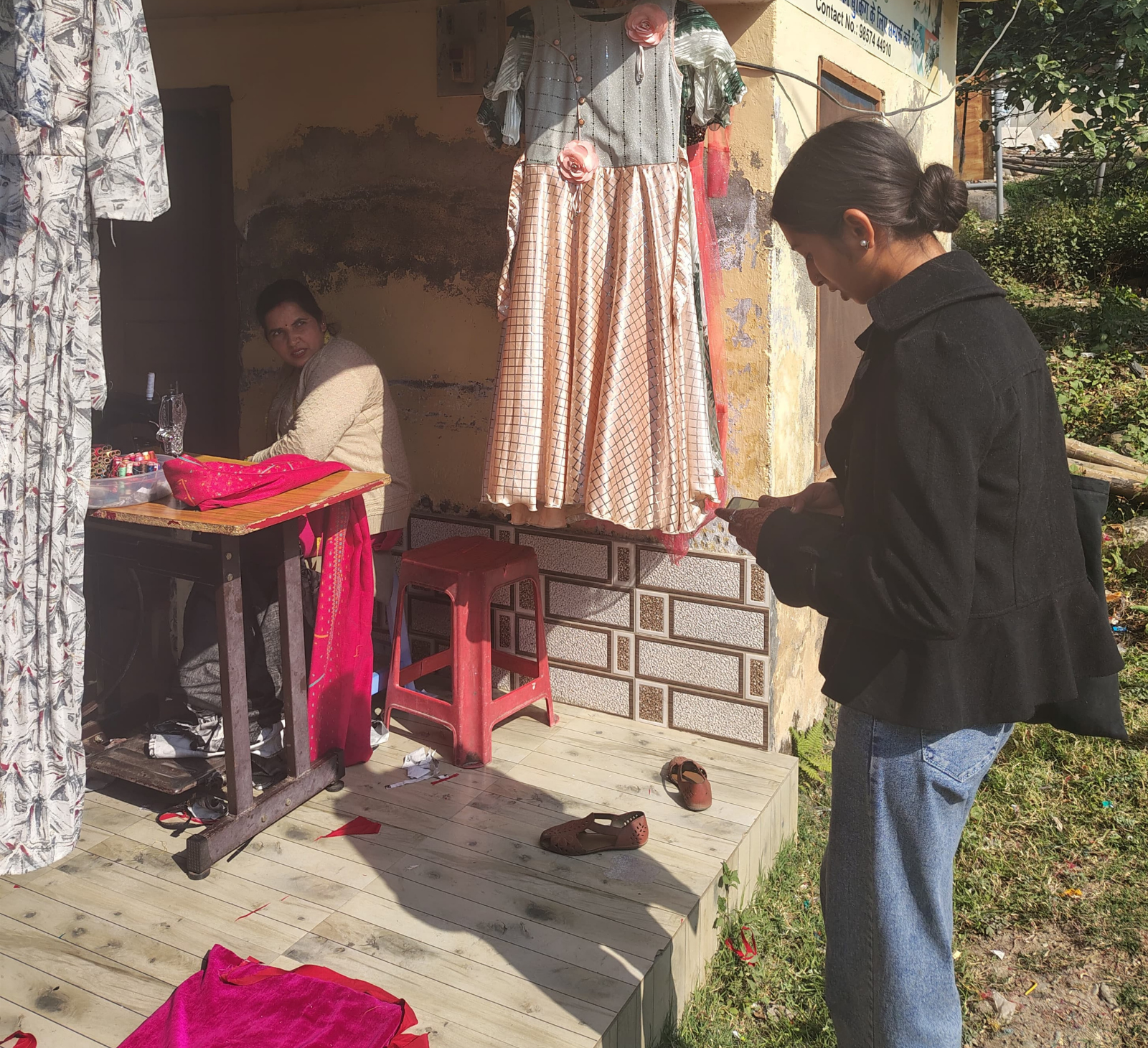
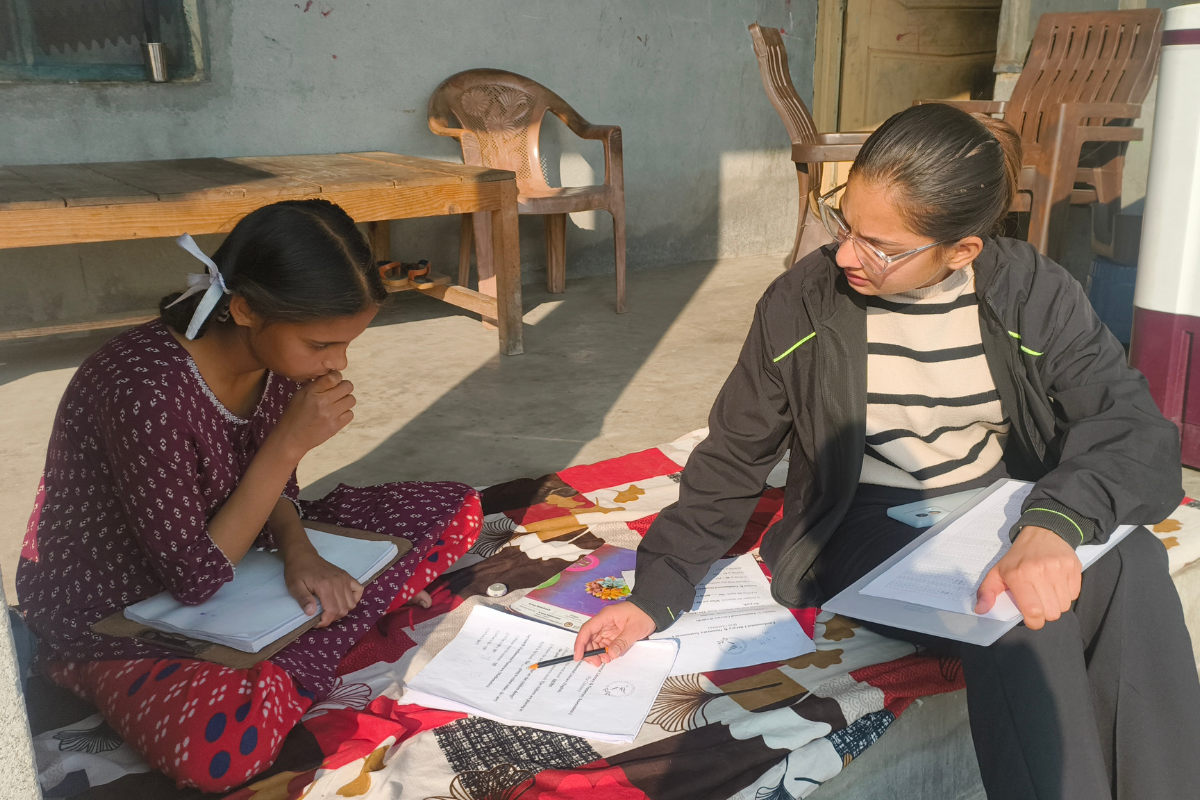
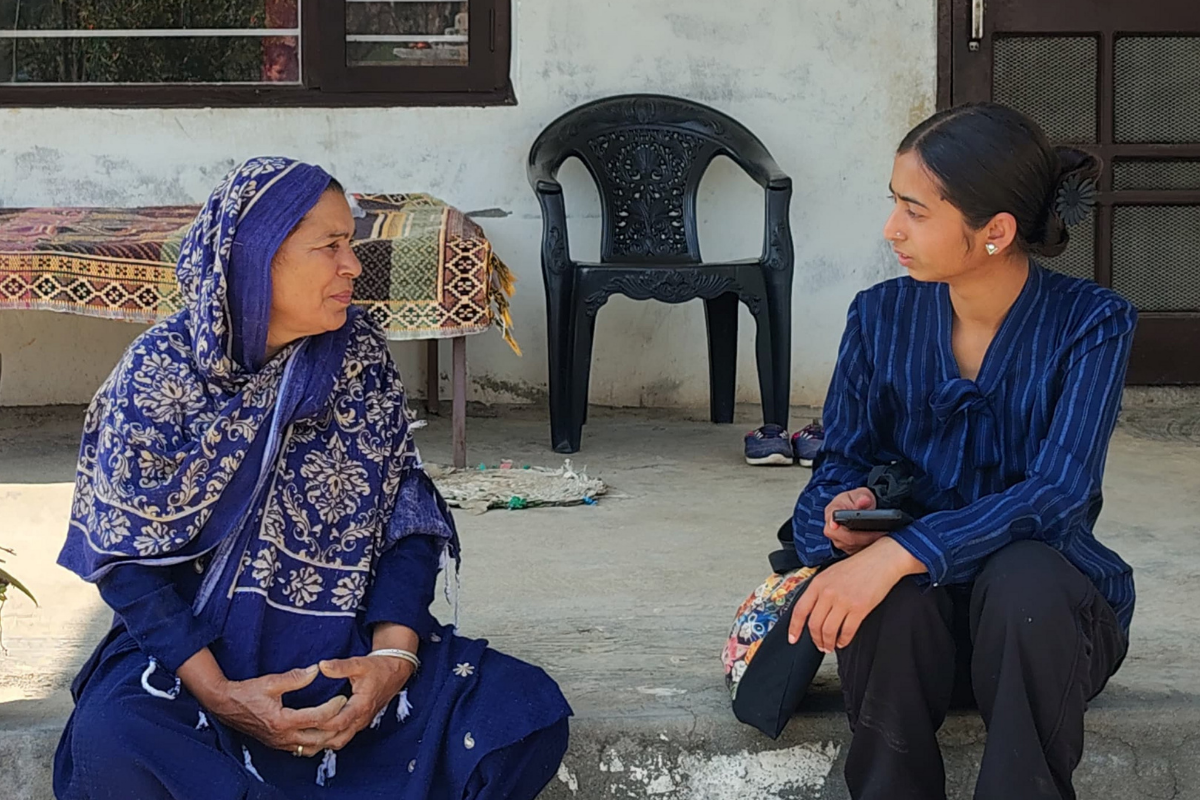
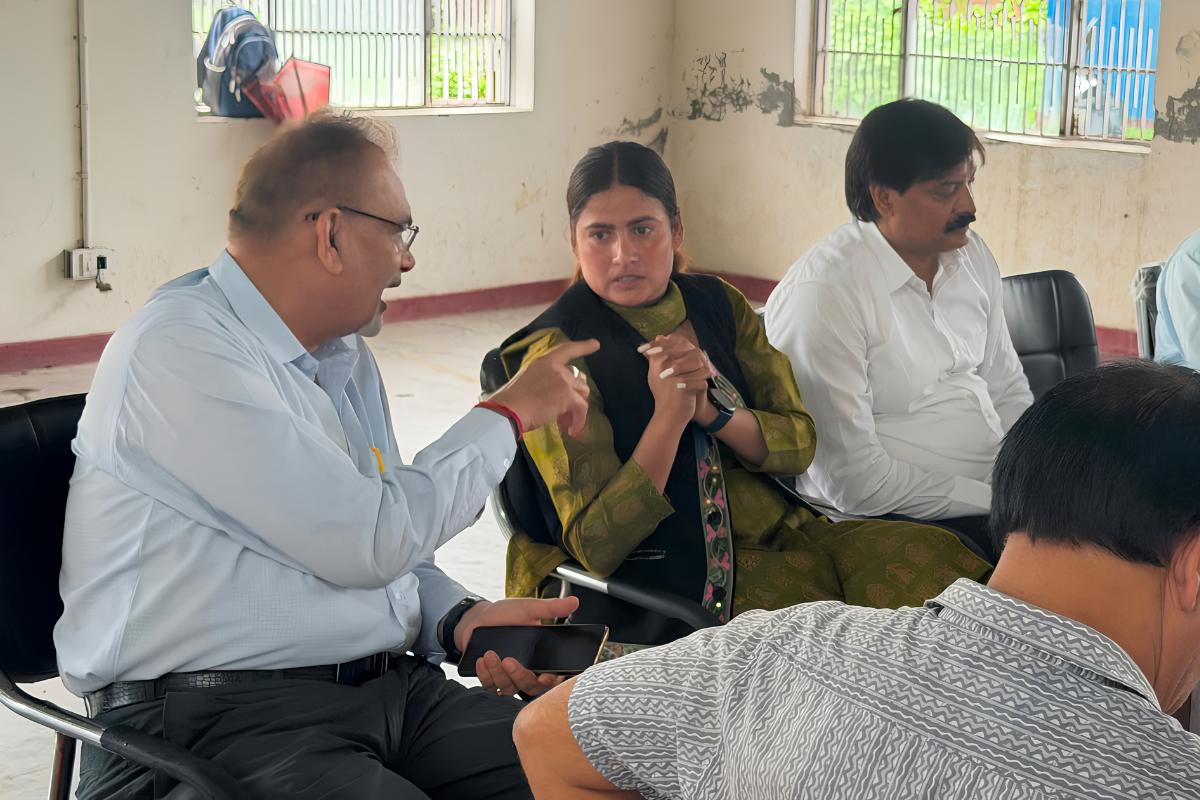
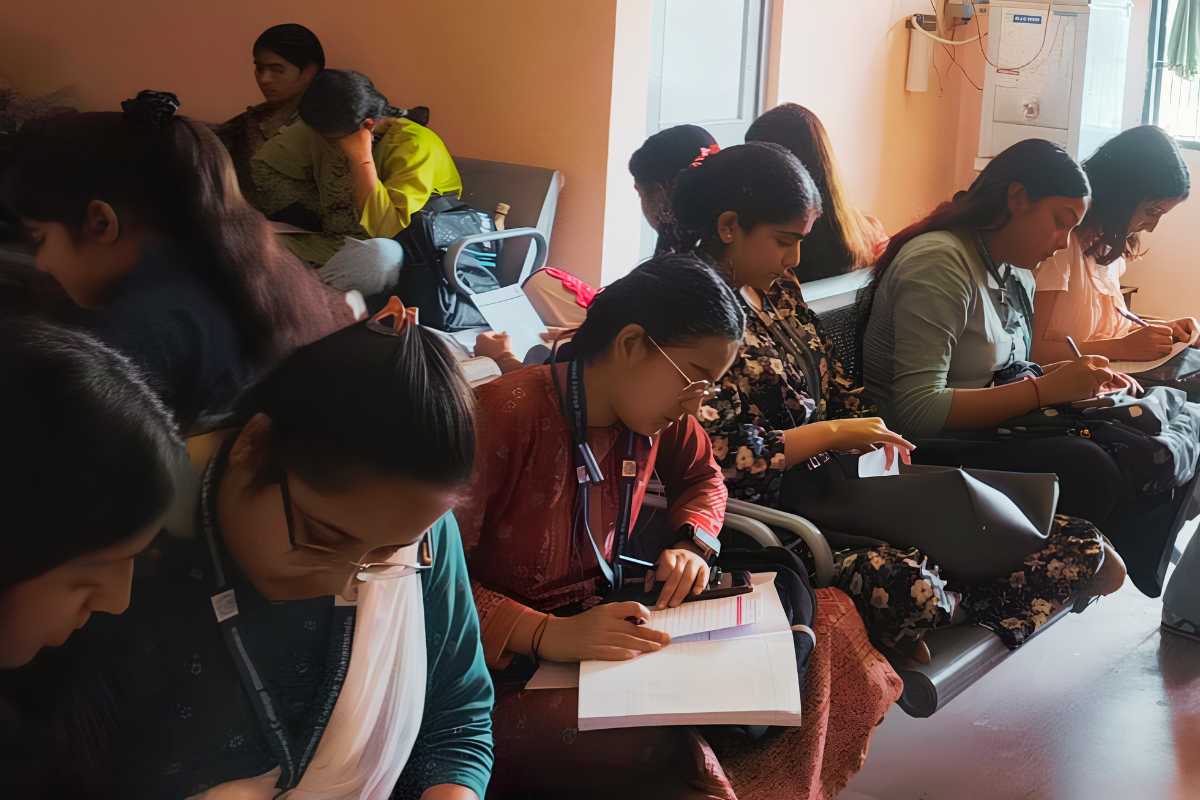
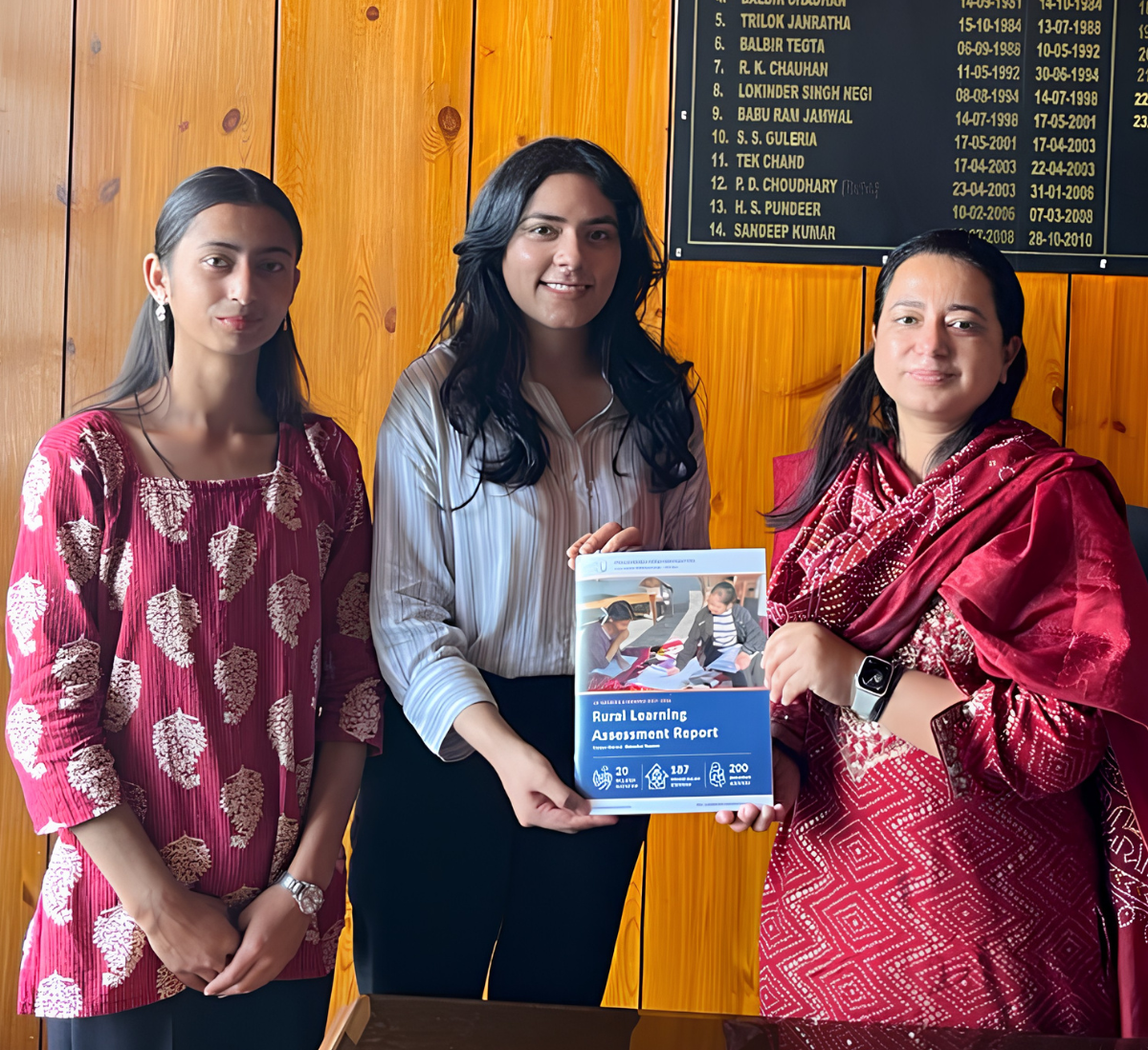
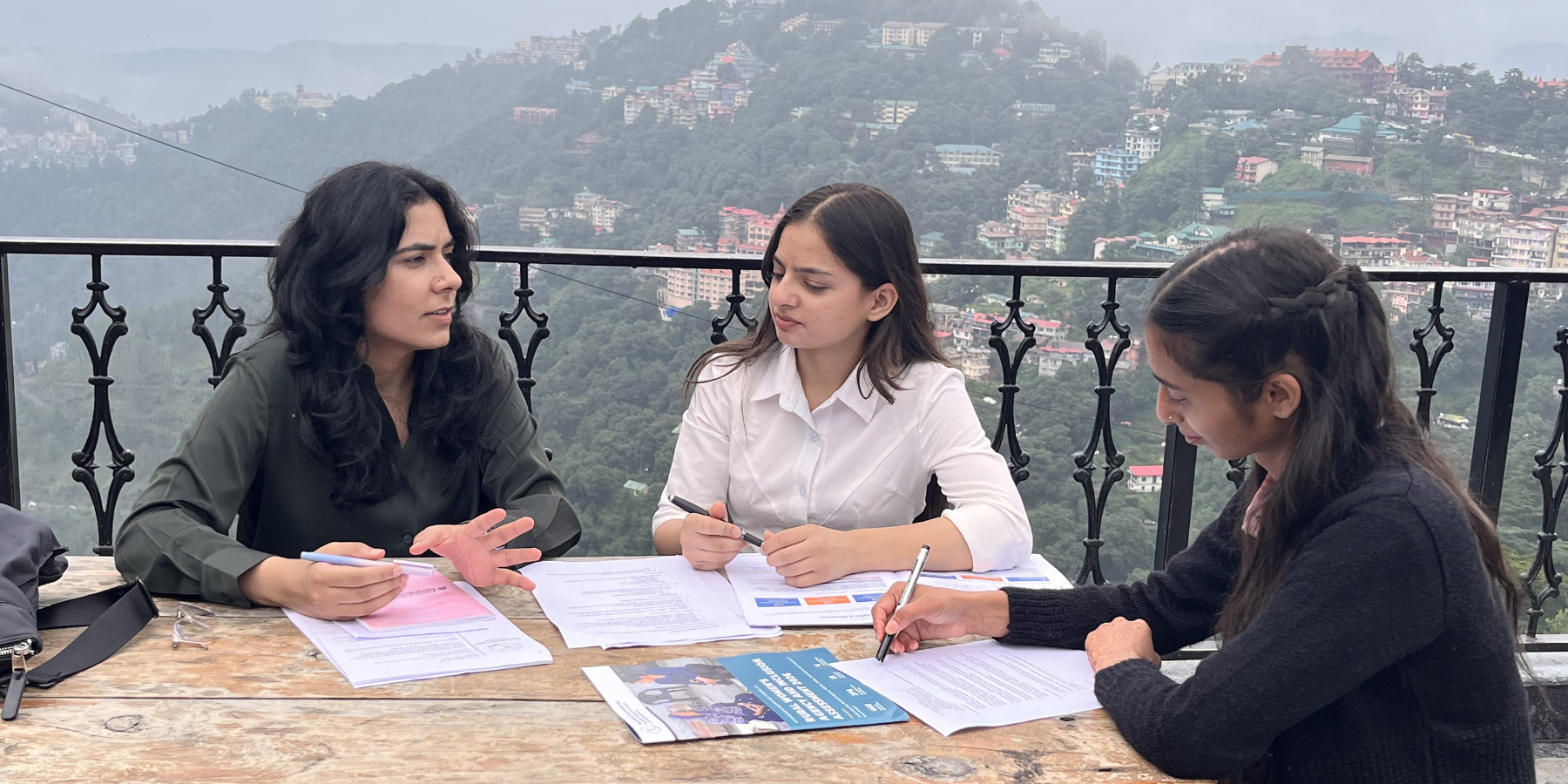
EIF conducts field research to understand learning, women’s agency, public services and other issues affecting rural communities in Kangra. The findings help us identify gaps, design programmes and bring locally grounded evidence into institutional discussions.
What We Do
Turning rural experiences into usable evidence
The Evidence & Insights Unit conducts field research to understand the realities, gaps and priorities emerging from rural communities. We turn this evidence into insights that inform programme design and institutional engagement.
Field Research
We conduct community-based research to document experiences and conditions that may otherwise remain poorly represented in formal data.
Data & Analysis
Field data is organised, reviewed and analysed to identify patterns, gaps and questions that warrant further investigation.
Evidence for Action
Findings inform EIF’s programmes and provide a basis for engagement with communities, institutions and public authorities.
OUR APPROACH
Research rooted in the communities we work with
Our research combines research methods with local knowledge. Young women working with EIF contribute across the research process, while digital tools and transparent reporting help us collect, organise and communicate evidence responsibly.
Locally Led Fieldwork
Young women working with EIF contribute to data collection, field coordination, analysis and research documentation. This approach began with an internal field research exercise in 2023 and has since developed through larger assessments across rural Kangra.
Digital Data Collection
Digital tools support structured field data collection, validation and faster consolidation of responses for analysis.
Transparent Scope
Our reports state their sample sizes, geographical coverage, methodology and limitations so that findings can be understood within the context in which the research was conducted.
OUR RESEARCH
Evidence across different dimensions of rural life
Our research examines learning, women’s agency, governance, public services and the experiences and aspirations of young women. Each assessment begins with a specific question and is designed around the communities and institutions relevant to it.
An assessment of learning levels and educational support among children in rural Kangra, examining whether children were learning at their enrolled grade level and where the most significant gaps appeared.
Key Finding: 65% of assessed children were below their enrolled grade level in at least one core subject.
An assessment of women’s agency and inclusion across rural Kangra, examining household decision-making, economic participation, digital access, mobility and other dimensions of everyday life.
Key Finding: 55% of women were married by age 21, while child marriage was reported across all surveyed age cohorts.
A multi-part assessment examining public services, citizen grievances and local governance responses across rural Kangra, combining household surveys, community-reported issues, engagement with panchayat representatives and field verification.
Status: FIELDWORK NEARING COMPLETION
Young Women Education & Aspirations Assessment 2026
1,000+ young women | Villages & educational institutions
A multi-site assessment examining education, aspirations and career pathways among young women in Kangra, including their experiences of higher education, skills development, employment opportunities and barriers to participation.
Evidence becomes useful when it helps shape what happens next. Findings from the Evidence & Insights Unit inform programme development, identify issues for further investigation and provide a basis for engagement with communities, institutions and public authorities.
Learning Evidence
Learning gaps identified through our assessments help inform the learning and skills interventions EIF develops and tests with children and communities.
Digital Evidence
Evidence on digital access and practical digital literacy has helped inform EIF’s digital capability and safety work with children, schools and communities.
Governance Evidence
Community grievances and public-service findings provide evidence for engagement with panchayat representatives, district institutions and other relevant public authorities.
WOMEN LEADING THE WORK
Young women contribute across the research process
Young women contribute to field data collection, survey coordination, data organisation and analysis, research documentation and engagement around findings. Their involvement brings local knowledge and community perspectives into the research process while building practical experience in field research and data work.
RESPONSIBLE RESEARCH
Evidence gathered with care
Community research carries a responsibility to the people whose experiences and information make it possible. We aim to collect, analyse and publish evidence in ways that respect participation, protect privacy and clearly communicate the scope and limitations of our findings.
Informed Participation
Participation in our research is voluntary, with respondents informed about the purpose of the research and how the information they provide will be used.
Privacy & Safeguarding
Personal and sensitive information is handled with care, with additional safeguards applied when research involves children or potentially vulnerable participants.
Transparent Methods
Published reports describe their samples, geographical scope, research methods and limitations so that findings can be understood within their appropriate context.
Accessible Evidence
Published research is made publicly accessible wherever possible, allowing communities, institutions, researchers and others to examine and use the evidence generated.
WORK WITH US
Work with the Evidence & Insights Unit
We welcome collaboration with researchers, educational institutions, public bodies and organisations interested in rural research, field studies and the responsible use of community evidence.